

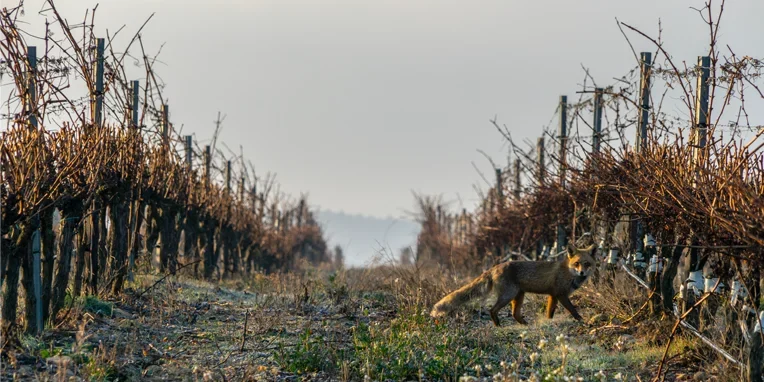
Without a doubt, climate change and the unique situation of much of our vineyard, located at the door of the Bardenas Desert, make the knowledge we can generate on how to maintain balance and biodiversity in our vineyards vital. For this reason, a significant part of our current efforts is focused on organic viticulture, particularly on methods for controlling water stress, managing cover crops, carbon fixation and recovering ancestral biotypes better adapted to our environment.

OBJECTIVES
PROJECTS IN DEVELOPMENT
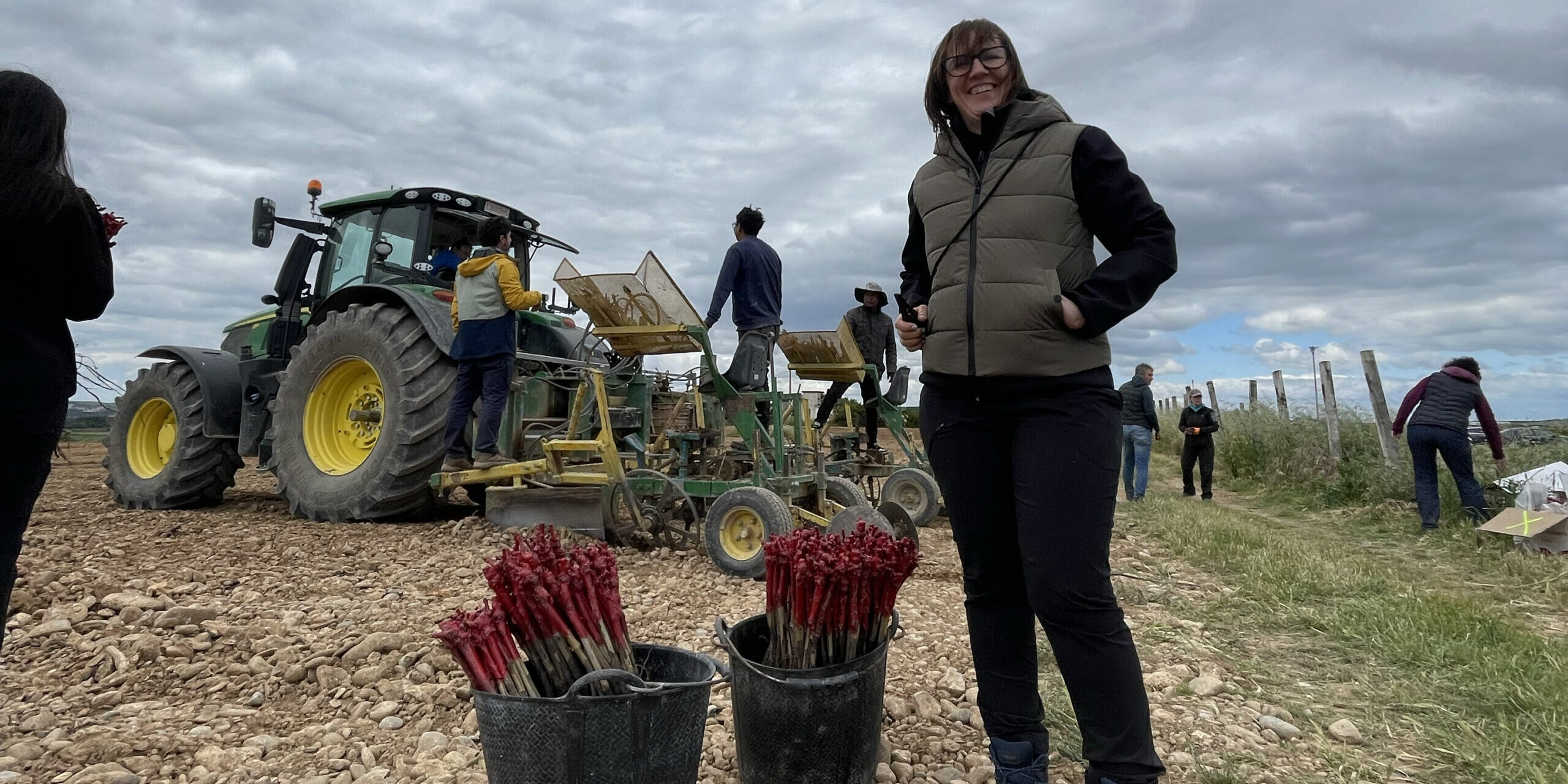
REPLANTVID project
IMPROVING VINEYARD REPLANTING WITH REGENERATIVE SOIL TREATMENTS TO ADAPT TO CLIMATE CHANGE
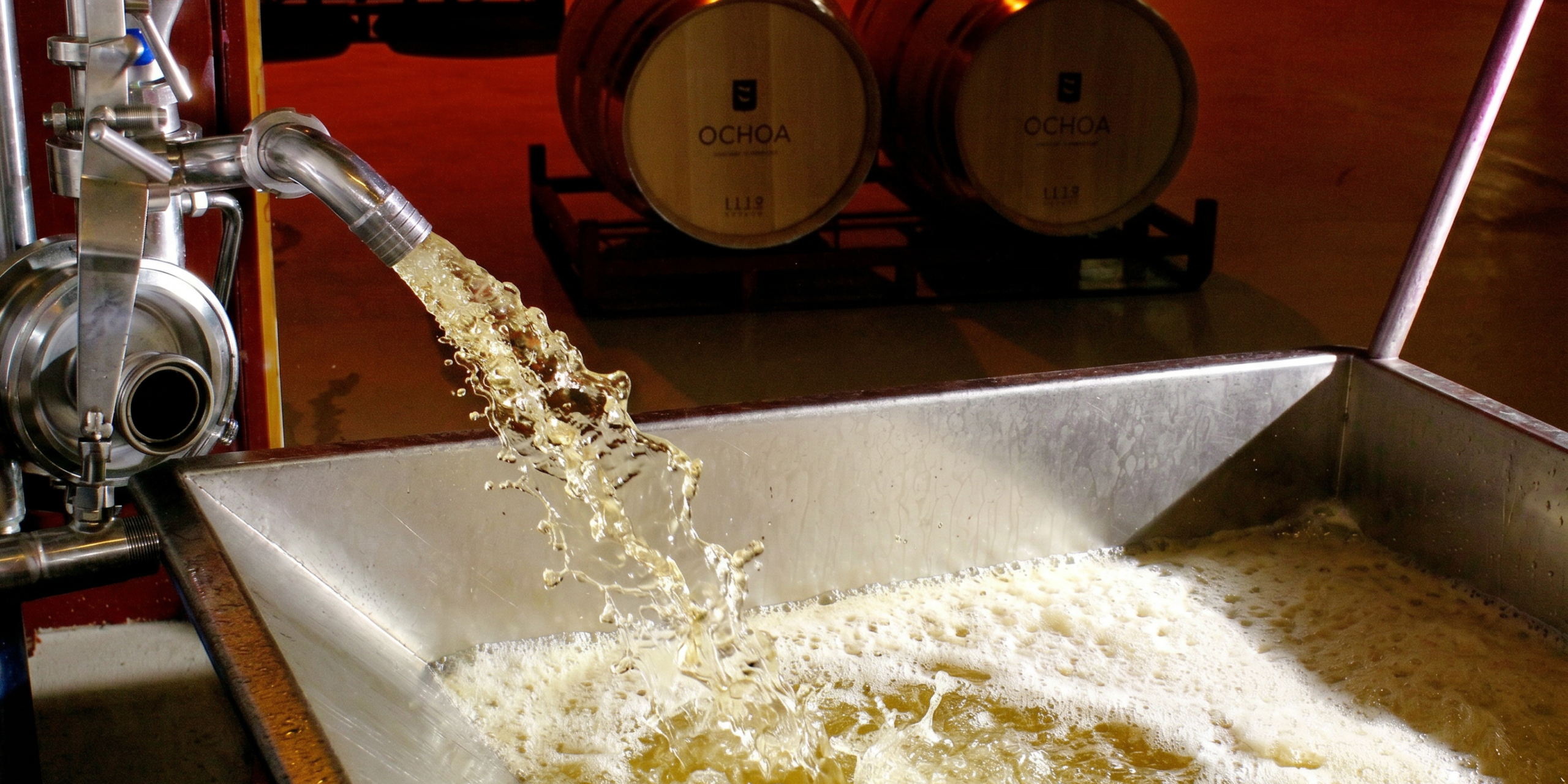
ZEOVIN project
NATURAL ZEOLITES AS A SUSTAINABLE ALTERNATIVE TO BENTONITE IN WINE CLARIFICATION AND AS A VINEYARD SOIL AMENDMENT
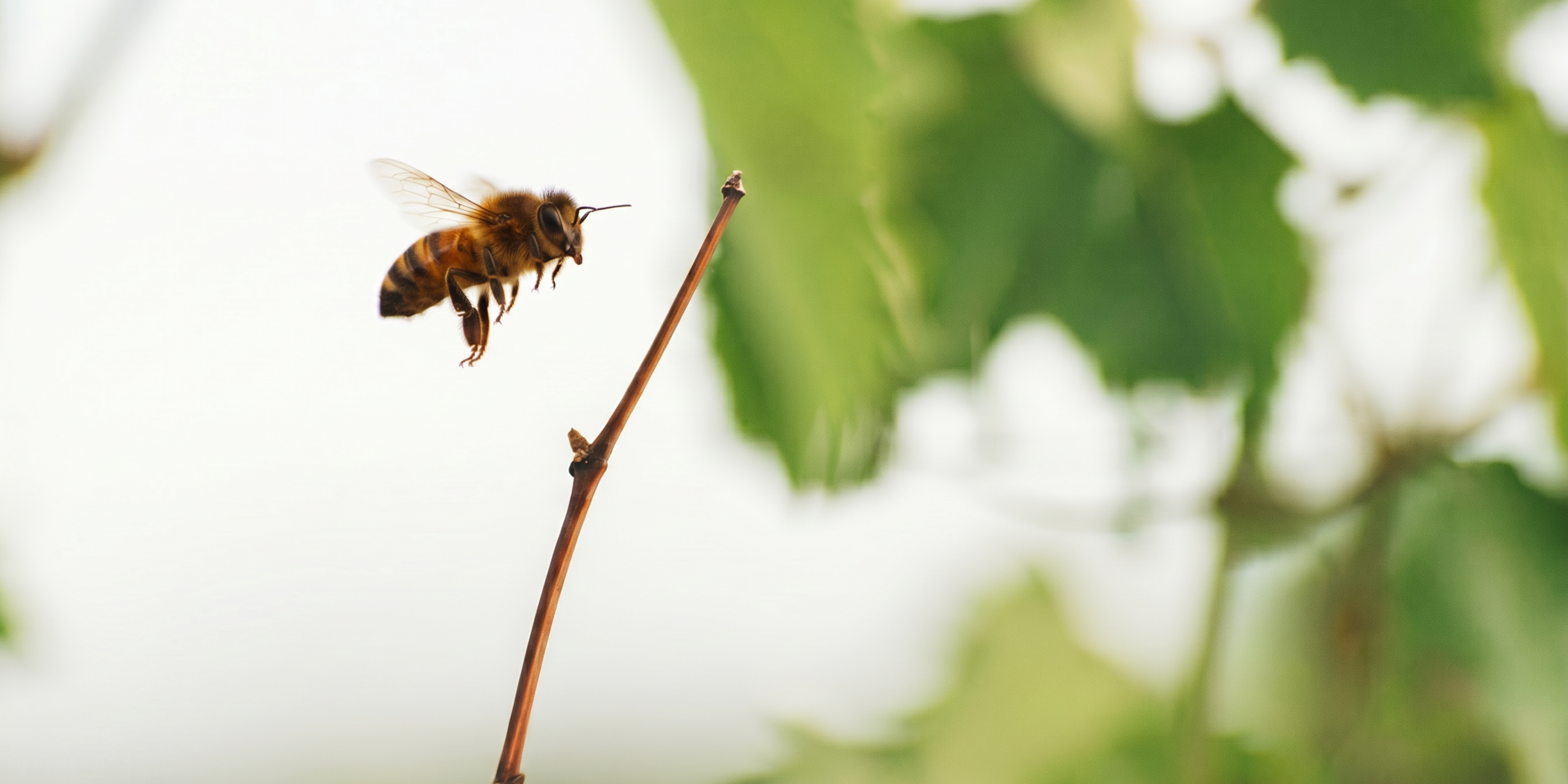
GO APIS project
TRAIBUENAS BEES AS AN EARLY WARNING SYSTEM FOR VINEYARD FUNGAL DISEASES AND HARVEST PREDICTOR
COMPLETED PROJECTS
Living Soil
The project aims to deepen the sustainable management of vineyard soil. In this initiative, which we lead, we are joined by three other wineries—Bodegas Otazu, Bodegas Quaderna Vía and Bodegas Máximo Abete—as well as the Public University of Navarra. The project will significantly enhance the sustainability of vineyard cultivation in Navarra by increasing biodiversity, reducing herbicide use and minimizing erosion.
CARBONSEQ project
Carbonseq brings together our winery with Bodegas Aroa and Vega del Castillo, along with UAGN and EVENA, to develop this project. Its main objective is to identify agricultural practices that promote carbon fixation.
This project is part of the 2014-2020 Navarra Rural Development Program.
EATEX Projects
LOVIN
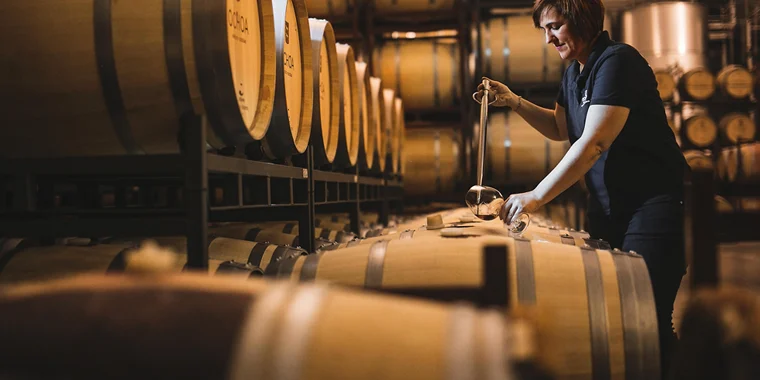
Development of a method to predict the longevity of aged wines, in collaboration with AIN.
EATEX Projects
AixVINO
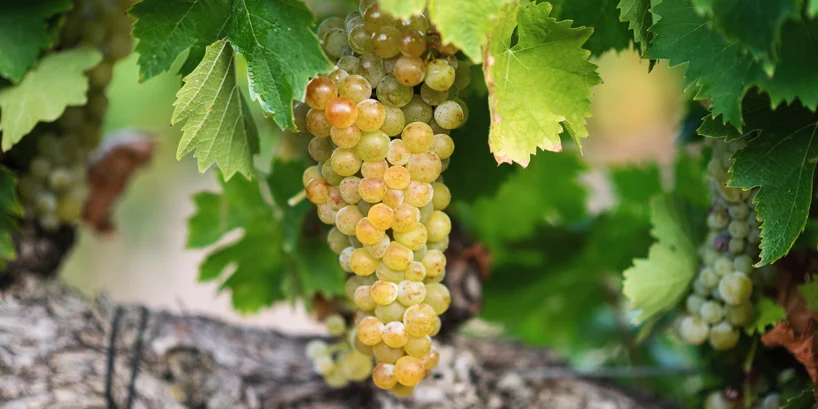
Design of zeolitic materials valorized from an industrial waste as an alternative to traditional fining agents in white wine production, in collaboration with UPNA and AIN.
ROSÉ FILTER
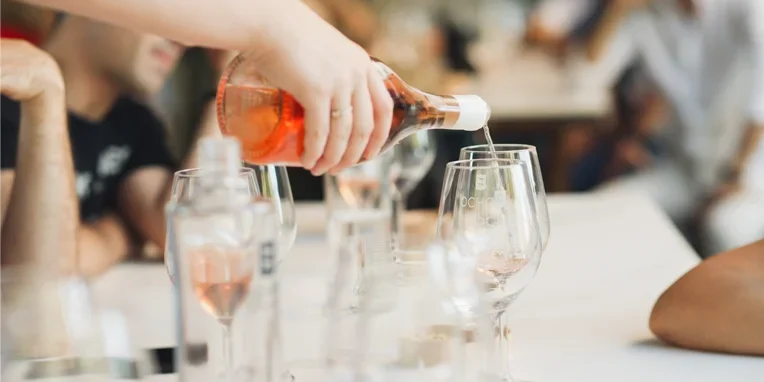
ROSÉ-FILTER is a European project involving Bodegas Ochoa, Laboratorios Excell, Vitroval, and the French company Polyrise, technically coordinated by AIN. The project aims to develop coatings capable of filtering UV radiation while remaining transparent and colorless, imperceptible to the human eye. Applied to glass packaging, these coatings increase the shelf life of rosé and white wines. Thanks to their photoprotective effect, the wines are shielded from the harmful effects of high-energy radiation, which causes the so-called "light taste," leading to undesirable aromas and significant color deterioration.
